EPDM (ethylene propylene diene monomer) rubber roofing has been one of the most popular flat and low-slope roofing materials for commercial and residential properties throughout the Bay Area for decades. Property owners choosing EPDM appreciate its affordability, proven performance, and relative simplicity of installation and repair. However, EPDM longevity varies significantly based on multiple factors, and understanding what impacts lifespan helps you maximize your roof’s service life and plan appropriately for eventual replacement.
EPDM roofing typically lasts 20-30 years, with some systems lasting longer under ideal conditions. However, actual lifespan depends on material quality, installation expertise, maintenance consistency, UV exposure intensity, climate conditions, seam quality, and how well the roof is protected from physical damage. For Bay Area property owners with EPDM roofs, understanding these factors helps you maintain your system appropriately and recognize when replacement becomes necessary.
Understanding EPDM Roofing
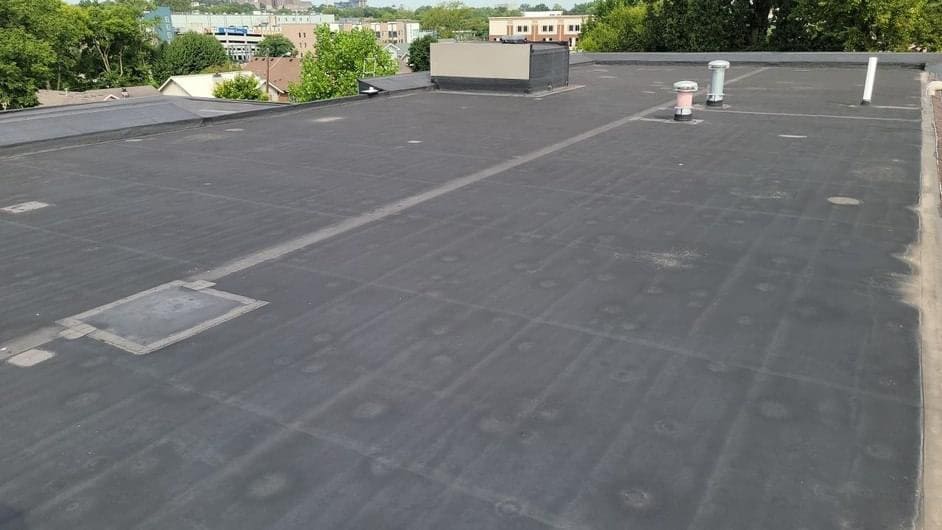
EPDM is a synthetic rubber membrane installed in large sheets that overlap at seams, creating a continuous waterproof surface. The material comes in rolls that can be 10-50 feet wide, minimizing seams compared to some roofing alternatives. EPDM is typically 45, 60, or 90 mils thick (thousandths of an inch), with thicker materials providing better durability.
The material’s popularity reflects several advantages: relative affordability compared to premium membranes like TPO or PVC, proven long-term performance, ease of repair (patches adhere well to EPDM), and decent UV resistance compared to some alternatives. EPDM’s proven track record over 40+ years of use makes it a trusted choice for countless Bay Area commercial and residential flat roofs.
However, EPDM’s longevity depends significantly on quality, installation, and maintenance. Understanding factors that affect lifespan helps you optimize your system’s performance.
Material Quality and Thickness
EPDM comes in different quality grades and thicknesses, both affecting longevity. Thicker EPDM (60 or 90 mil) lasts longer than thinner material (45 mil), providing more material to deteriorate before failure occurs. Premium-grade EPDM with enhanced UV protection and additives can extend lifespan compared to economy material.
Contractor specifications during installation determine what thickness and quality you receive. Specifying thicker, higher-quality EPDM costs more initially but provides significantly better longevity and value over the roof’s lifetime. A 60-mil premium EPDM might cost 20-30% more than 45-mil economy material but last several years longer, making the per-year cost often lower.
Older EPDM systems installed 20-30+ years ago sometimes used thinner materials or formulations that deteriorated faster than modern products. These systems may need replacement sooner than newer material of equivalent age.
Installation Quality
How EPDM is installed dramatically affects longevity. Properly installed EPDM with adequate seam overlap, appropriate fastening methods, and careful sealing performs at expected lifespans. Poorly installed systems with inadequate seam overlap, improper fastening, or sealant shortcuts fail prematurely.
Critical installation factors include:
Seam overlap – EPDM seams require adequate overlap width (typically 4-6 inches) to ensure proper adhesion and waterproofing. Insufficient overlap creates weak seams vulnerable to separation and water infiltration.
Seam sealing – Seams must be sealed with adhesive, tape, or other approved methods per manufacturer specifications. Unsealed seams allow water infiltration at these critical joints.
Fastening – EPDM attachment to roof decking must use appropriate fasteners spaced per specifications. Improper fastening allows membrane movement that stresses seams and leads to failure.
Transitions – Flashing at roof edges, penetrations, and transitions to walls must integrate properly with the membrane, not just overlap it. Improper transition details are common failure points.
Professional installation by experienced contractors ensures these details are executed correctly, maximizing EPDM longevity. Cut corners on installation quality result in premature failure requiring repairs or replacement.
Maintenance and Care
Regular maintenance significantly extends EPDM lifespan. Maintenance includes:
Debris removal – Leaves, branches, and sediment should be cleared from the roof regularly. Accumulated debris traps moisture against the membrane, promoting deterioration. Heavy accumulation also stresses the membrane under its weight.
Drain cleaning – Roof drains must be kept clear so water moves off the roof properly. Clogged drains cause ponding water that accelerates EPDM deterioration.
Seam inspection – Regular inspection of seams and transitions identifies problems early. Failing sealants can be resealed before water infiltration occurs.
Puncture and damage repair – EPDM damage should be patched promptly. Small punctures or tears can be effectively repaired if addressed quickly before water reaches underlying structure.
Protective coatings – Reflective coatings applied to EPDM protect against UV degradation and can extend membrane lifespan. Coating reapplication every 5-10 years helps maintain protection.
Properties that neglect maintenance see EPDM failure years before expected lifespan. Conversely, well-maintained systems often exceed manufacturer expectations.
UV Exposure and Degradation
While EPDM resists UV better than some materials, the sun still gradually degrades the membrane over time. Black EPDM (the most common color) absorbs significant solar radiation, creating heat that can stress the material and accelerate degradation. Thicker EPDM and premium formulations with UV additives resist this degradation better.
Bay Area’s climate affects UV exposure variability. Coastal areas with persistent fog receive less intense UV exposure than inland properties where the sun is more direct. Properties in sunnier inland locations like San Jose experience faster EPDM aging than foggy Bay Area coastal communities. Understanding your property’s specific sun exposure helps you estimate realistic EPDM lifespan.
Reflective coatings applied to EPDM surfaces reduce UV exposure and surface temperature, extending membrane lifespan. Maintaining these protective coatings becomes more important for properties with high sun exposure.
Climate and Weather Conditions
Bay Area’s weather patterns affect EPDM durability differently than other regions. Our concentrated winter rainfall tests EPDM drainage continuously, with potential for ponding water if drainage is inadequate. EPDM resists water well, but prolonged contact with standing water accelerates deterioration.
Temperature cycling—even the modest cycling Bay Area experiences—creates expansion and contraction stress on the membrane. Over years, this thermal stress can cause seams to separate or the membrane itself to crack. Coastal properties with more moderate temperatures and smaller temperature swings may see slightly longer EPDM lifespan than inland areas with greater temperature variation.
Fog and moisture exposure in coastal Bay Area areas creates persistent dampness that some research suggests may accelerate EPDM aging, though the effect is modest compared to other factors.
Seam Quality and Failure
EPDM seams are typically the first areas to fail as the roof ages. Seams experience differential movement during thermal cycling, constant moisture exposure, and stress from foot traffic. Even properly installed seams eventually deteriorate as sealants break down and adhesive ages.
Seam failures appear as cracks, separation from the membrane, or water infiltration at the joint. Once seams fail, water reaches the underlayment and structural components beneath. Seam failure is often the first significant problem developing on aging EPDM roofs.
Seam repair involves cleaning the failed area, removing old adhesive/sealant, and resealing with new materials. Early seam repair extends roof life. Extensive seam failures across the roof may indicate overall membrane aging and suggest replacement should be considered.
Physical Damage and Foot Traffic
Foot traffic on EPDM roofs, whether from maintenance activities or weathering caused by roof access, causes wear and can create punctures or tears. Machinery, falling objects, or impacts from storms all create damage requiring repair. Protected EPDM systems with walkway pads or protective coverings avoid much of this damage.
Punctures and tears are easily repaired if caught early—patch material bonds well to EPDM. However, accumulated damage over years can become extensive, eventually suggesting replacement rather than continued patching.
Roof Deck Condition
EPDM longevity also depends on the roof deck beneath. If roof decking is damaged by water infiltration or structural issues, it affects the EPDM system’s performance. Conversely, EPDM protects the deck beneath it. However, once EPDM fails, water exposure of the deck can cause rapid deterioration.
For this reason, roof deck inspection is important when assessing aging EPDM systems. Deck deterioration sometimes appears long before EPDM surface deterioration, indicating underlying moisture problems.
Signs of EPDM Deterioration
Recognizing aging EPDM helps you plan replacement before catastrophic failure:
Seam separation or visible cracks at seams indicate sealing failure.
Surface cracking or crazing (fine cracks across the surface) indicate membrane deterioration.
Blistering or bubbling suggests trapped moisture and means the membrane is failing.
Shrinkage causing edges to curl or separate from flashings indicates age and material embrittlement.
Punctures or tears visible on inspection require prompt repair.
Discoloration or fading from black to chalky gray indicates UV damage and advancing age.
Ponding water that persists days after rain indicates drainage problems and stresses the aging membrane.
Planning EPDM Replacement
EPDM roofs approaching 25-30 years should have professional evaluation to assess remaining lifespan and plan replacement timing. Roofs showing multiple deterioration signs may be candidates for replacement rather than continued repair. The cost-benefit of extensive repairs on aging EPDM often favors replacement creating a new, integrated system with warranty coverage.
For Bay Area properties, planning replacement during favorable weather—late spring through early fall—avoids winter rain complications. Having a maintenance plan and inspection schedule helps identify when replacement becomes appropriate.
Frequently Asked Questions
How can I extend my EPDM roof’s lifespan?
Regular maintenance is the most effective lifespan extension: keep drains clear, remove debris, inspect seams regularly, repair damage promptly, and maintain protective coatings. Well-maintained EPDM systems often exceed manufacturer life expectancy. Neglected systems fail years early.
Can EPDM roofs be repaired instead of replaced?
Yes, EPDM repairs are effective and common. Seams can be resealed, punctures patched, and damaged areas replaced without full roof removal. However, extensive deterioration or numerous repair needs may make replacement more cost-effective. Professional assessment helps determine whether repair or replacement provides better value for your specific situation.
How does Bay Area climate affect EPDM longevity compared to other regions?
Bay Area’s moderate temperatures create modest thermal cycling stress compared to regions with extreme seasonal variations. Our fog and moisture might slightly accelerate aging in coastal areas, while inland sun exposure accelerates UV degradation. Overall, Bay Area climate is relatively favorable for EPDM longevity compared to very hot, dry regions or freeze-thaw climates.
What’s the difference between 45 mil, 60 mil, and 90 mil EPDM?
Thickness affects durability and cost. Thicker material (60 or 90 mil) lasts longer but costs more. 45 mil is economy material with shorter lifespan. 60 mil represents a balance of cost and durability suitable for most applications. 90 mil provides maximum durability for high-traffic or harsh-condition locations. Thickness choice affects lifespan expectations and long-term value.
Optimize Your EPDM Roof’s Performance
EPDM roofing provides reliable, affordable flat roofing protection for Bay Area properties, but longevity depends on quality materials, professional installation, and consistent maintenance. Understanding factors affecting EPDM lifespan helps you plan appropriately and make informed decisions about repair versus replacement as your system ages.
Elm Roofing Contractors maintains and repairs EPDM roofing systems for commercial and residential properties throughout the Bay Area. As a licensed California C-39 roofing contractor serving San Mateo, San Francisco, San Jose, and surrounding communities, we help property owners maximize EPDM roof longevity through professional maintenance, repair, and eventual replacement when appropriate.
Visit our contact page to schedule a roof inspection or request an estimate for EPDM maintenance, repair, or replacement evaluation. We’ll assess your system’s condition and remaining lifespan, recommend maintenance or repairs to extend service life, and provide guidance on replacement timing when that becomes appropriate. Visit elmroofingcontractors.com to get started.